#7 Writing Tip: Is your written content legal?

That quote you pulled from the Internet to use in your marketing, or your book…can you legally use it?
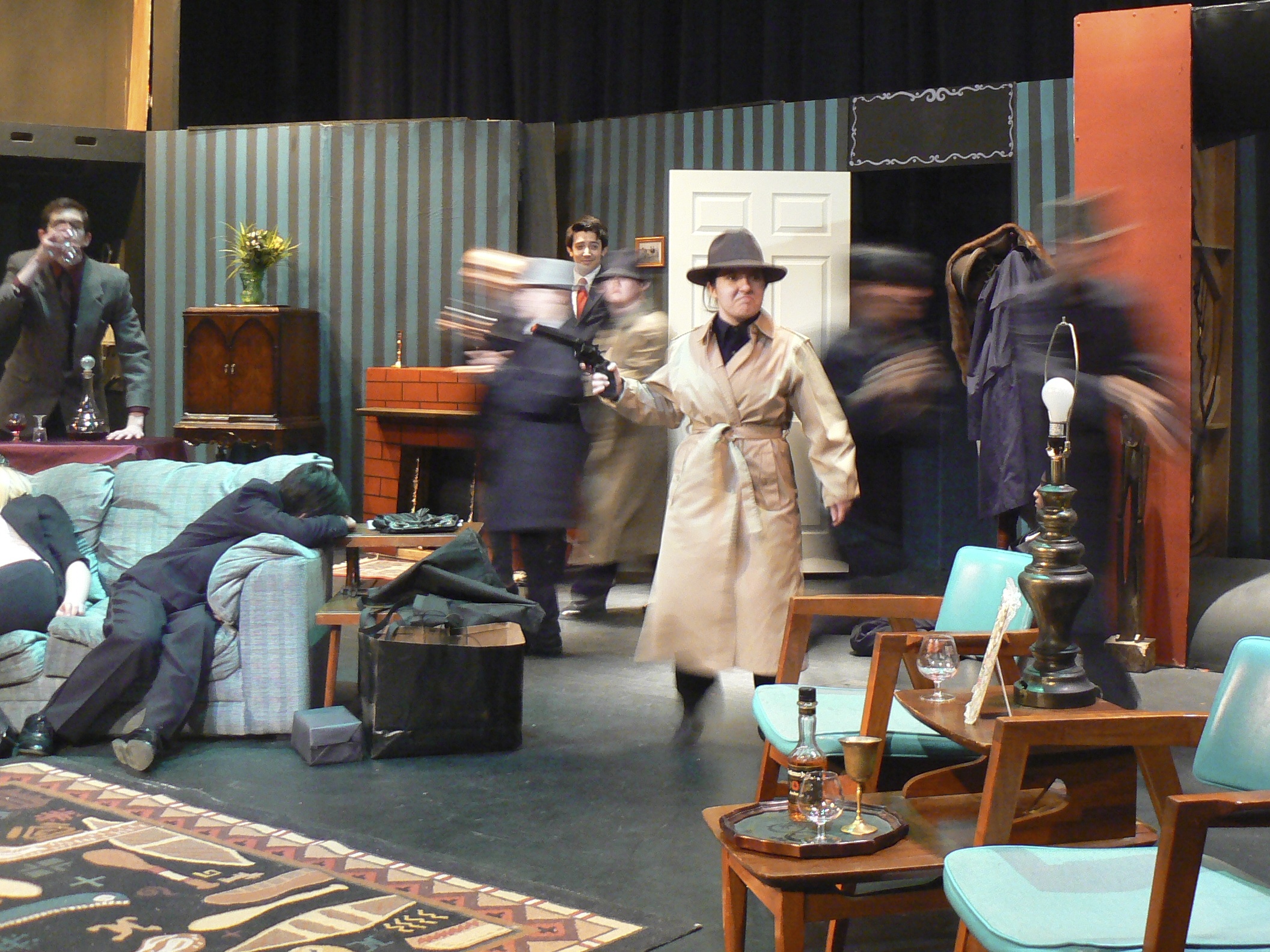
I can use this shot of my daughter in a high school production of "Clue," because I took it. The play title is royalty free, but if I quoted any of her lines here, I'd need to pay royalties, since someone else wrote the words.     @2013 ANVidean

I can use this shot of my daughter Codi (the “Police Chief” in her high school production of “Clue”), because I took it. The play title is royalty free, but if I quoted any of her lines here, I’d need to pay royalties, since someone else wrote the words. @2013 ANVidean

Do you think if you simply provide a source, you’re covered? It’s likely you’re not. You may need to ask permission, or even pay royalties to use it.

When I wrote my novel, Rhythms & Muse, I included famous advertising quotes, celebrity names, song titles, even some lyrics. Not wanting to borrow trouble later, I sought out the advice of a copyright attorney to see what I needed to do to use these snippets of other people’s material. I used Etherton Law Group, but can also recommend Kevin Keener an intellectual property attorney at Keener, McPhail, Salles, LLC.

Advertising quotes

The lawyer informed me I could not use ad quotes, no matter how much people banter them about in common conversation. I had to find a way around it, like in this excerpt from the novel.

      “You mean like, that anti-stomach acid commercial with the Italian guy sitting on the bed saying he can’t believe he ate…’” Alex started.
      Suzanne continued, “Yeah, yeah. …the entire bowl of spaghetti.” She laughed. “Something like that.”
            “Well, I can’t believe I dreamed this whole thing about Matt.”


Celebrity names

Since it is against the CreateSpace Terms of Agreement, I ended up not using celebrity names at all. This forced me—in a fun, creative way—to allude to recognizable characteristics:

“Great. Now, if your local studio doesn’t work out for some reason, we’ll make arrangements to do all recording at our LA studios. I’m hoping for ‘Frankies’ place, though,” Mr. Grandberg said, his unexpected smile lighting up behind the cigar. “Recording at the home studio of my all-time favorite crooner – rest his soul – would be a rare privilege, not to mention the great PR it would make for the single.”

I also used recognizable nicknames, as in this excerpt:

      “Hey, Lex, I have great news!”
      “You mean, the King of Rock and Roll really does live?”
      Suzanne laughed. “No. I’ve patched things up with Kathy.”

I found out Priscilla Presley owns the rights to her late husband’s name, and she requires you to get permission or pay to state his name, depending on how you use it. (Can you say “amass a fortune?”)

Another interesting and frustrating discovery: if you’re self-published, Disney won’t allow you to use any character name. Period. You can’t even pay to use it. [sigh] That led me to sections like this:

“Look, she’s surrounded by all her little dorks right over there. Anyone of them would be glad to have her in their little cottage cooking and cleaning for them. See?” She started pointing one by one to the jocks. “Doofy.  Dippy. Dweeby. Dullard…”


Music artists, song titles, and lyrics

You can use the name of musical artists and their song titles without sourcing or paying royalties. But, if you plan to use any portion of the lyrics, you must pay for their use. This involves contacting music rights management firms like ASCAP, BMI or Hal Leonard in writing, with detailed specifics about how the information will be used.

I ended up paying a few hundred dollars to use a few lines of lyrics from John Denver’s “Annie’s Song,” Ewan MacColl’s “The First Time Ever I Saw Your Face” as sung by Roberta Flack, and Tim Rice’s “I Don’t Know How to Love Him” from the play/movie Jesus Christ Superstar.

Of course, I own full rights to my own original lyrics appearing in the book, and the book’s “soundtrack” of original tunes I wrote and recorded on CD.

Even quotes from famous people are often copyrighted, and that’s just the tip of the iceberg. If you use anyone else’s materials in your writing, be sure to clarify its use with a qualified copyright lawyer. If someone else uses your work, you want them to source it or pay for it, now don’t you?

P.S. If you’re the first to comment, answering the following four questions correctly, I’ll send you a $10 gift certificate from Coffee Bean & Tea Leaf. Can you guess:

  1. The name of the product I alluded to in the ad above?
  2. The name of the crooner who actually owned a home on Hayden Lake in Idaho? (It’s not Frank Sinatra, despite my using “Frankie’s place.”)
  3. The real name of the King of Rock and Roll?
  4. The Disney character I suggest who cooks and cleans house for her little guys?

#5 Writing tip: Writing is not a solitary sport

Writers at Virginia Piper Writing House

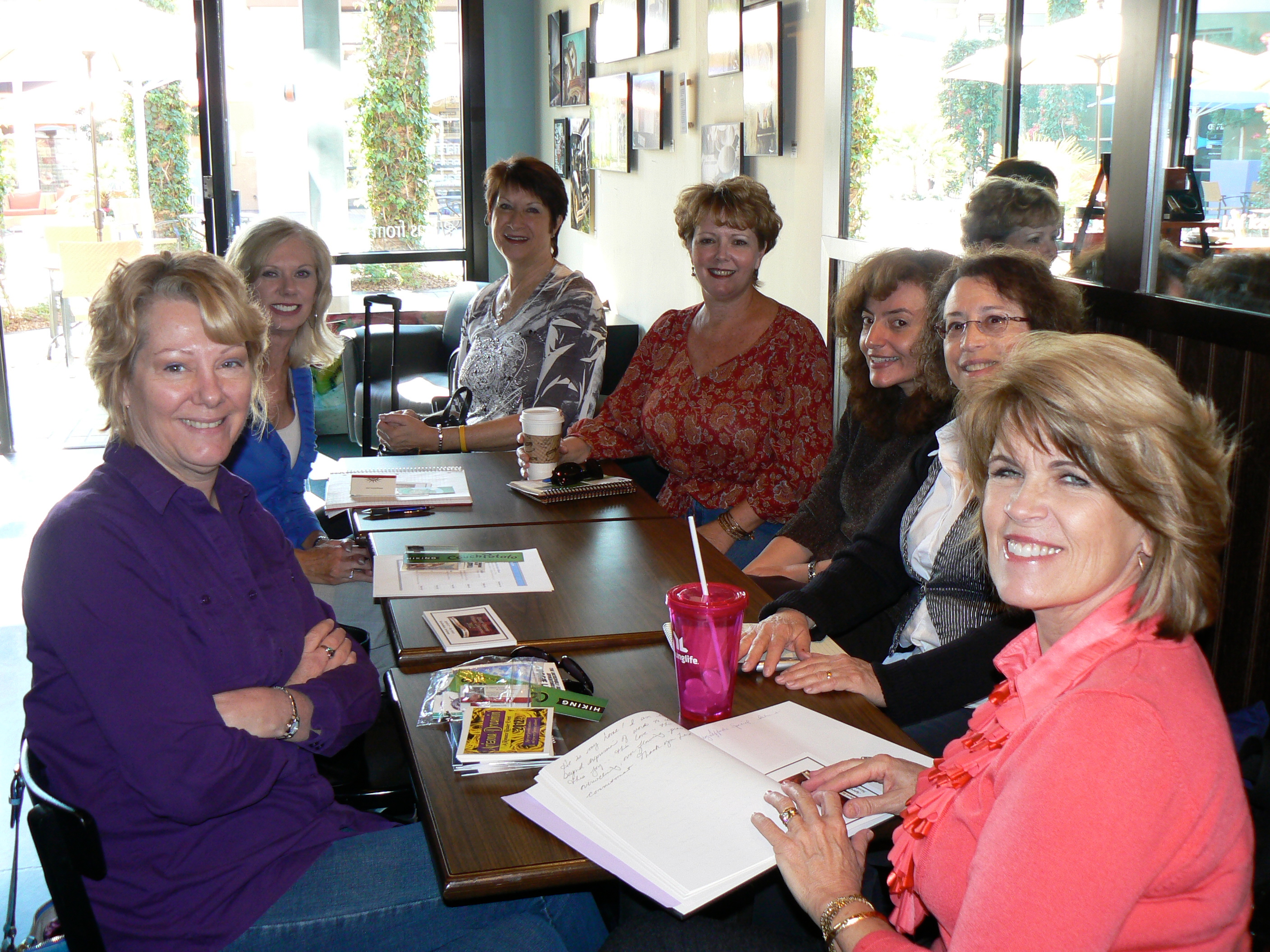
Actual writers look like this. Kris Tualla, Tisha Pelletier and Laurie Fagen at the Virginia G. Piper Writer’s House at Arizona State University. ©2010 ANVidean

Picture a writer.

Do you imagine a frazzle-haired, pajama-clad recluse sitting at odd hours and brooding over a computer screen, fiendishly snacking or imbibing caffeine? Perhaps she paces the floor, or maybe bangs her forehead on the desk, until inspiration hits. She might spend long hours taking guidance from characters who “tell her what to write.” She may even pour through defunct manuals explaining all the nitpicky grammatical rules no one pays attention to any more in this day of abbreviating and texting?

Yeah, that’s how the movies depict us. But, in real life, writing isn’t effective in solitary. Great writers get out and explore life, listen to conversations, try out experiences, and share their craft.

Sure we sit in the quiet when we’re actually putting words together, but most of the writing takes place mentally and experientially before we sit down at our computer or notebook. At least it should.

It doesn’t matter if you’re writing fiction, nonfiction, or business memos…input from external sources encouraging emotional phrasing and storytelling gets your words read. Here are some ideas:

• Sit in a coffee shop to listen to conversations and watch mannerisms.

• Try doing something new, perhaps even something your book character or employees do, and note your emotional and mental reactions to include in your writing.

• Join a writing association. It can help you, even if you’re not writing books.

• Meet with a critique partner or group.

• Form your own writing group like my Alliance for Literary Writers, Authors and Yabbering Scribes (ALWAYS) tribe.

What do you do to garner input and experiences for your writing?

Share your best writing tip and get featured: ALWAYS

• Need contacts to help your writing?  • Want advice about your writing business?  • Like to hang with other cool writers?
If so, my tribe – the Alliance for Literary Writers, Authors & Yabbering Scribes (ALWAYS) – is the place for you. We’re an informal group of established writers looking for camaraderie, ideas, enlightenment and connection with writers, especially in the Phoenix metro area, to talk about our craft and businesses.
Any established writer can connect with us online through our ALWAYS Facebook page, get listed in our directory of writers on our ALWAYS LinkedIn page, or you can meet with us in person at a lunch meeting.
……………………………………………

ALWAYS gathering
May 8, 2012

Topic:
Share your best writing tip and be featured in my Words•Music•Village blog

Expect an informal, let’s-help-one-another lunch gathering. Come ask questions, gain resources and meet other freelance writers. We’ll share our own best writing tips and hear what works for others. I’ll gather the tips and write up each one,  along with background on you and your writing, as an entry in my new series of writing-tip blogs.

Also, if you have something noncommercial you’d like to showcase — a tool, a resource, a tip — please contact me and I’ll slot you in for 15 minutes of our undivided attention at the meeting.

Next gathering:
Tuesday, May 8, 2012
11:30 a.m.–1 p.m.
(Freelancers typically meet for lunch on the second Tuesday, and authors on the fourth Tuesday of each month.)

Where:
T.C. Eggington’s
1660 S. Alma School Rd., #129
Mesa, AZ 85210
(Just one block south of I-60 on the west side of Alma School Road, toward the south end of the strip mall)
480.345.9288

Cost:
A writing tip, and your own lunch.

RSVP:
PLEASE show the consideration of reserving your spot at the table by:
• RSVPing through the “Attending” link on our Facebook Event page
• Emailing Ann Videan with “ALWAYS May 8” in the Subject line

If you’ve RSVP’d and run into a conflict later, please let me know before the event so I can make the necessary adjustments for the group. Cheers!
…………………………………………………………….

We’d love to have any experienced writer join us at our next meeting … anyone who spends a significant part of his/her week writing, and wants to rub elbows with other writers.

Please do add a your best writing tip in the comments below, but I will feature only those who attend the meeting in my blog. I’m encouraging face time here, wordsmiths!